Collecting Feedback
The Problem
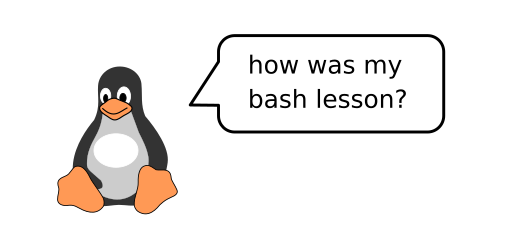
You have no idea what is going on in your class.
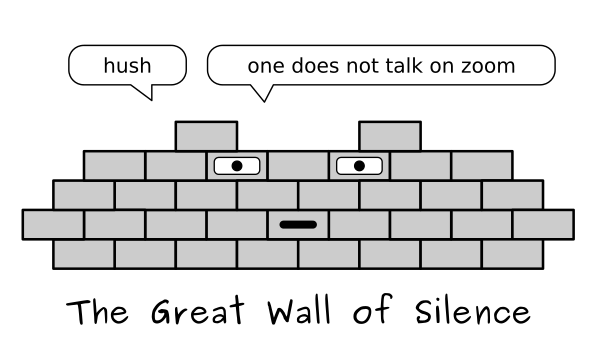
or worse, you know something is going on:
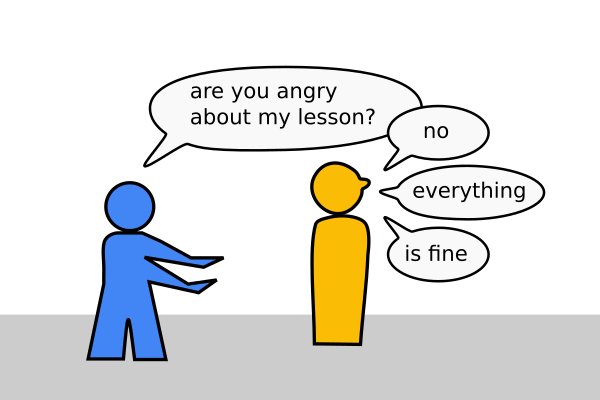
or everything is great and you would like to take a moment to reflect with your students:
Normative and Formative Feedback
There are two main types of feedback. Normative Feedback helps you to fine-tune a course while it is running:
find out what to prepare for the next lesson
find out what your participants have learned
improve a future edition of your course
make your participants aware of what they have learned
make concerns of your participants heard
help participants to close the course mentally
In contrast, Formative Feedback collects more objective information. Formative feedback is useful to benchmark different courses against each other. I do not focus on formative feedback here, although I have seen it as an excellent tool to improve as a teacher if handled by skilled course organizers.
Most students do not share feedback by themselves. In the following chapters, you find a couple of strategies to elicit useful information.
See also
A: Single/Multiple Choice Quiz
Ask three questions about subjects from the last lesson so that each student can have a guess:
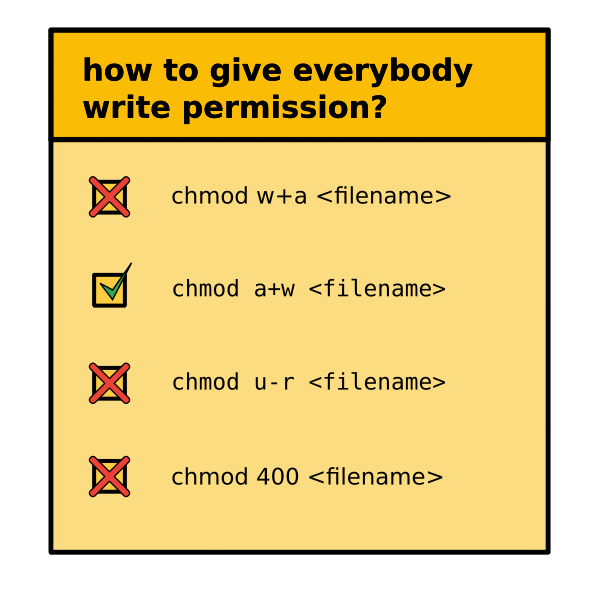
There are many tools that allow you to create single-choice or multiple-choice quizzes. Most Learning Management Systems (LMS) have a quiz app built in, Zoom has a Poll app, and on Slack you have the Polly app.
A low-tech version that works on most chat programs is to use Emoji responses. Here are True/False questions:
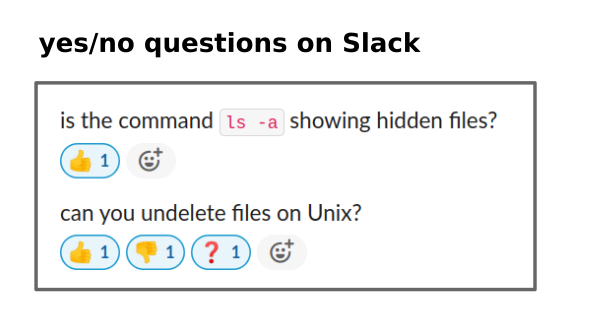
Quizzes like these are low-risk. They focus on the content and let you know how far the class is overall. Students can also assess their own progress. In any case, they will want to hear the answer afterwards and may have follow-up questions.
Their main disadvantage is that you need to prepare the questions in advance.
B: Collect ideas
A more spontaneous feedback is to collect ideas in an online app. It usually makes sense that students can see the results – this builds mutual trust. Here are three questions that are easy to start with:
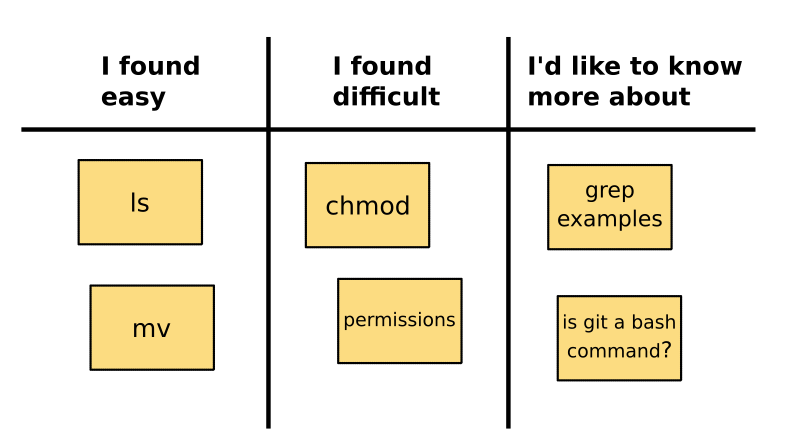
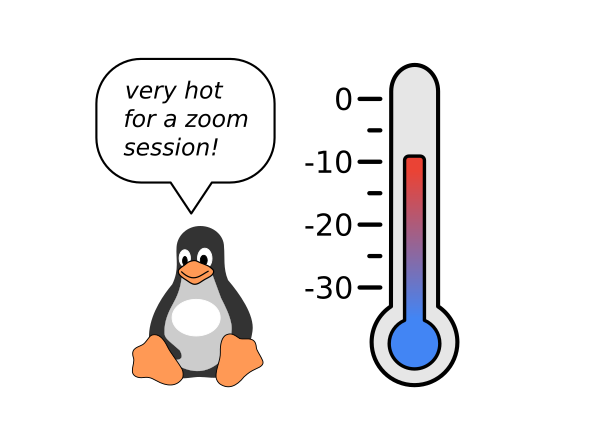
Collecting ideas on multiple questions allows you to mix information on technical aspects (“which topic is difficult”) or do an emotional temperature check (“what do you like”, “what frustrates you”). You can use the temperature check question to release a bit of pressure in a controlled way.
Like with the quizzes, you can post your questions in a chat program and collect results there. If you need a bit more freedom, a shared Google Spreadsheet is easy to set up. A fancier (and free) tool is the 3L activity on Funretrospectives.com.
C: Prioritize ideas
If you want to gauge interests quickly or make a joint decision, you can let the group vote. This is a great start for a wrap-up or recap session.
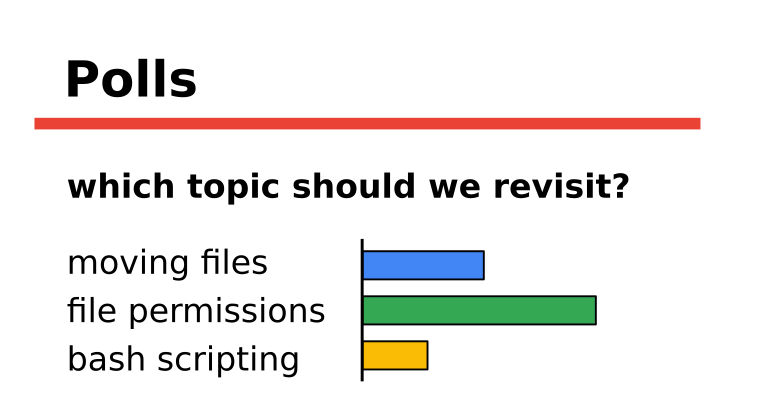
Technically, this works the same way as a quiz. But the purpose is different – the voting empowers the students and makes it more likely they will talk.
D: Lean Coffee
If you want to spend some time reflecting more deeply, you may want to try the Lean Coffee method. It does not produce any tangible output, but allows you to cover many topics in a short time. It works as follows:
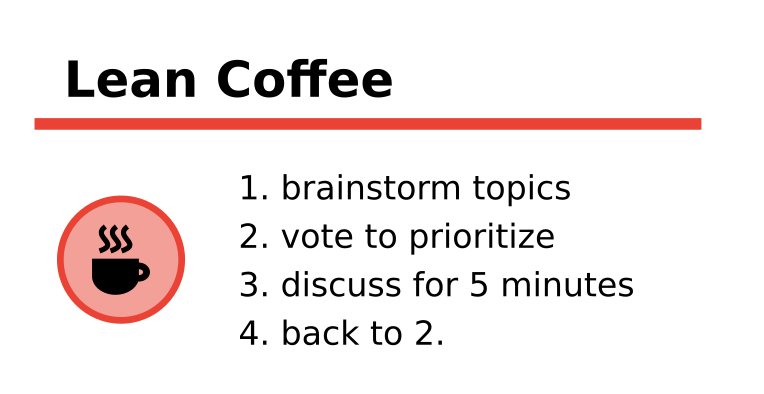
The method needs some time (2 minutes for explaining, 5 minutes for collecting topics and voting plus 20-30 minutes for discussions). It works with small to medium groups (up to 10 people).
The Lean Coffee method requires that people are in a constructive mode. If you have conflicts boiling in the group, discussing them may make them worse. The Lean coffee is a good way to run a retrospective at the end of a course unit or project.
Warning: Feedback is confidential
Most feedback should be kept confidential unless everybody is comfortable sharing it. It may be a good idea to destroy evidence after the course.
See also
You find a lot of online facilitation tools on www.funretrospectives.com.